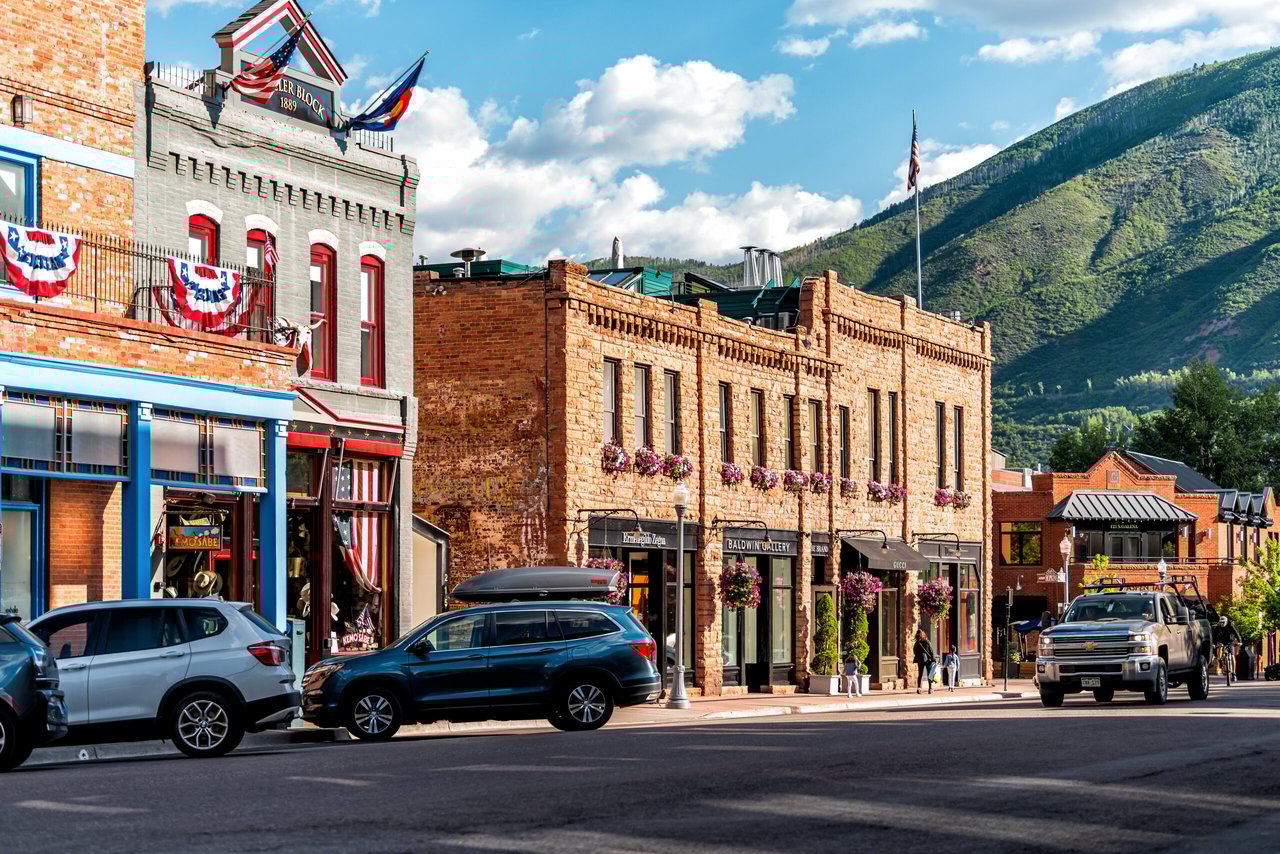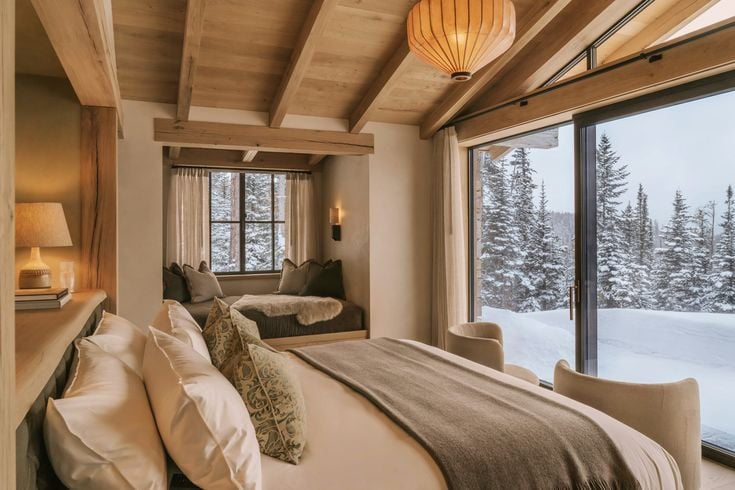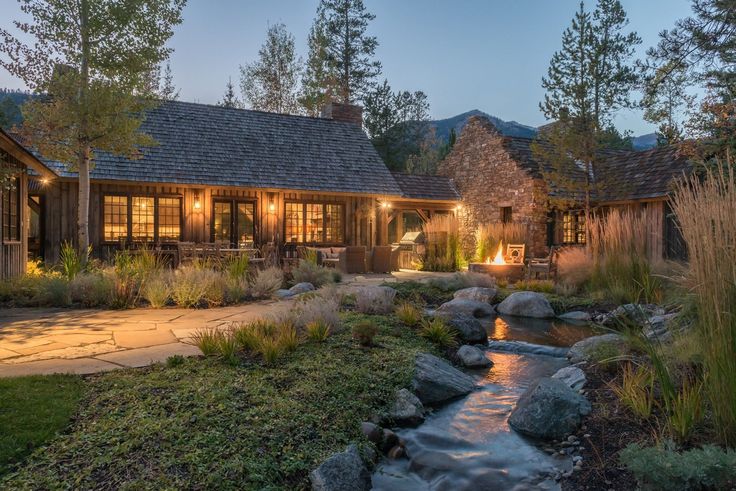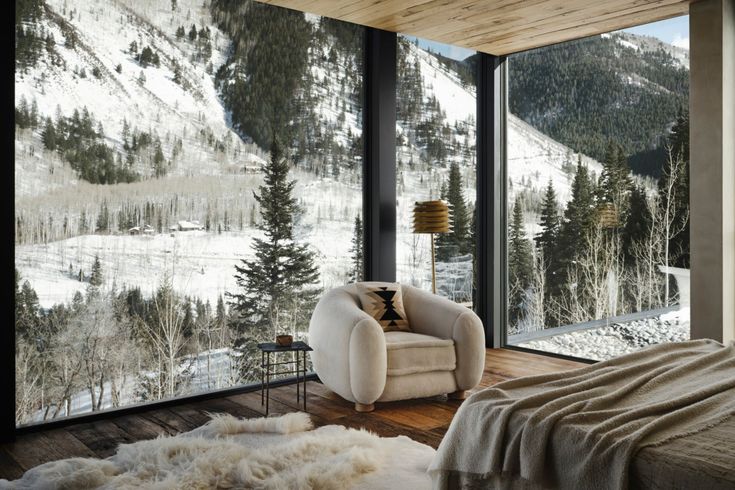
When people talk about real estate, the common refrain is that success comes from timing the market — buy low, sell high, and aim for short-term gains. But in Aspen, Colorado, one of the most exclusive and lifestyle-driven markets in the world, that old adage doesn’t quite fit. Here, it’s not about predicting the next price dip or spike — it’s about aligning your purchase with your life goals, seasons, and experiences. You may have heard me say this before, and you’ll likely hear it again, since it sums things up well: In all my years selling real estate in Aspen, I’ve never heard a client say: “I wish I’d waited to buy in Aspen”. It just doesn’t happen.
1. Aspen Is a Second-Home & Lifestyle Market
Unlike traditional primary residence markets where local employment and demographic shifts drive activity, Aspen thrives as a second-home and resort lifestyle destination. Historically, a significant portion of homes in town have been second homes or vacation properties — as far back as 2012, around 58% of single-family homes were second homes rather than primary residences.
This means that many buyers aren’t entering the market for short-term investment plays — they’re investing in memory-making: skiing holidays, summer hikes, cultural festivals, and the mountain lifestyle itself.
2. Appreciation Happens Over Decades, Not Days
Aspen’s appreciation trends support the “time in the market” philosophy over timing the market.
-
Over the past decade, Aspen real estate has appreciated approximately 117.5%, equating to an average annual appreciation of about 8%, placing it among the top tier of nationwide markets.
-
Long-term forecasts continue to show upward trajectory, with some models projecting further growth through 2030.
These trends illustrate that the real gains in Aspen are seen over years and decades, not quarterly price movements. Buyers who hold for the long term — enjoying the lifestyle while they wait — often reap the greatest rewards.
3. Market Fluctuations Don’t Drive Buyer Decisions Here
In Aspen, seasonal patterns and lifestyle cycles matter more than short-term market timing:
-
Many buyers synchronize purchases with life changes — kids finishing school, retirement plans, or simply the desire for a mountain sanctuary.
-
Aspen’s market activity itself has seasonal peaks tied to winter ski season and summer tourism, rather than purely economic indicators.
Trying to buy specifically at a market “bottom” in Aspen is often futile — limited inventory and global demand make predicting price troughs nearly impossible.
4. Lifestyle Factors Trump Market Signals
Aspen’s cachet isn’t just about the numbers — it’s about why people come here:
-
The outdoor lifestyle, cultural scene, world-class dining, and community make Aspen more than an asset — it’s a second home where memories happen every winter and summer.
-
Many buyers are less concerned with short-term appreciation and more focused on how the property fits into their lives: time with family, seasonal retreats, or a future full-time residence.
In fact, surveys of second-home owners in mountain communities show that only around 2% of second-home buyers in places like Pitkin County plan to become full-time residents, reinforcing that most are there for lifestyle first, investment second.
5. Aspen’s Market Isn’t Easily “Timed” Anyway
The Aspen housing market is influenced by factors that traditional timing strategies don’t always capture:
-
Limited inventory due to strict zoning and development controls keeps supply tight.
-
Price movements can be lumpy — with median list and sale prices fluctuating year-to-year.
-
Ultra-luxury transactions often happen off-market or attract buyers globally, further disconnecting local seasonal pricing from broader economic signals.
In Conclusion: Buy When It Fits Your Life, Not When You Predict the Market
Aspen real estate is less like timing a stock trade and more like planning for a meaningful chapter of your life. For many buyers — whether they’re securing a future family retreat, carving out a winter getaway, or simply embracing the mountain lifestyle — the value of owning in Aspen extends far beyond short-term price charts.
So if you’re considering Aspen real estate, ask yourself: Is this the right time in my life to own here? If the answer is yes, then you’re already thinking like an Aspen buyer — investing in experience, community, and long-term value rather than trying to catch a perfectly timed market wave.