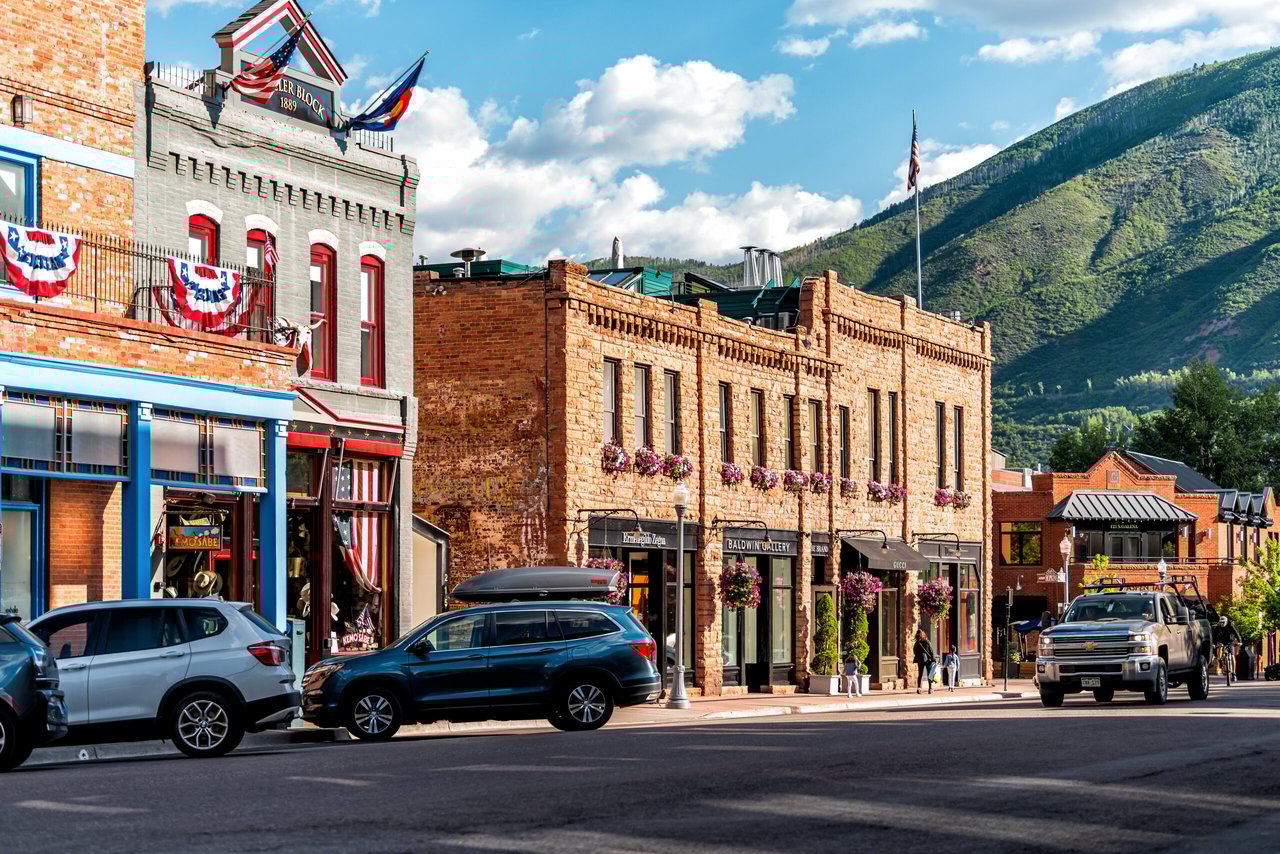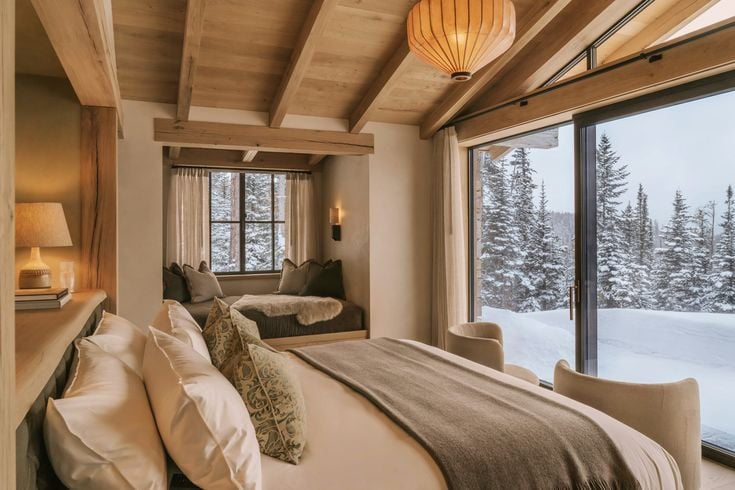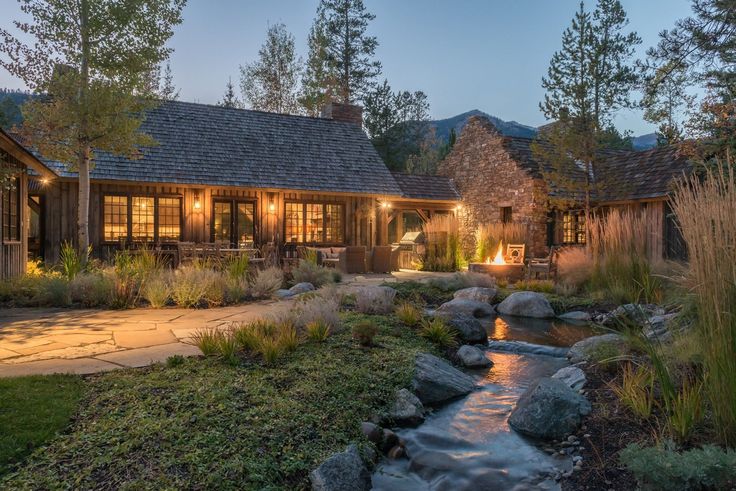
As we close the door on 2025, the Aspen real estate market continues to prove what long-time buyers and sellers already know: Aspen operates on its own rhythm. While national headlines have focused on uncertainty and correction, Aspen remained steady, resilient, and highly desirable—driven by lifestyle buyers, long-term investors, and limited inventory.
Here’s a clear look at how the Aspen market closed in 2025 and what those trends signal as we move into 2026.
How Aspen Real Estate Closed 2025
Year-Over-Year Price Changes
Home prices in Aspen held firm throughout 2025, with values showing modest year-over-year appreciation across most segments. While the pace of growth normalized compared to the post-pandemic surge, pricing remained strong—particularly for well-located properties, turnkey homes, and ski-adjacent residences.
Rather than a market correction, 2025 reflected a healthy recalibration. Buyers were more thoughtful, but they continued to pay a premium for quality, privacy, and location. Sellers who priced accurately saw consistent demand, while overpricing was met with longer timelines.
What this tells us: Aspen pricing remains supported by scarcity and global demand, not speculation.
Sales Volume vs. Prior Year
Overall sales volume in 2025 came in slightly lower than the previous year, largely due to limited inventory rather than lack of buyer interest. Fewer homes available naturally capped transaction numbers, even as buyer activity remained strong.
High-end and luxury segments continued to perform well, with cash buyers making up a significant share of transactions. Many buyers were not rushed—but they were ready to act when the right opportunity surfaced.
What this tells us: Demand is still there, but opportunities are selective. The market rewards preparation and relationships.
Days on Market Trends
Days on market increased modestly compared to 2024, signaling a shift toward a more balanced pace. Homes no longer sold instantly across the board, but well-priced, high-quality properties still moved efficiently, especially those aligned with buyer expectations.
This shift created a healthier dynamic: buyers had more room for due diligence, and sellers needed a clear pricing and marketing strategy to stand out.
What this tells us: Aspen is not slowing—it’s stabilizing.
What These Trends Mean for 2026
As we head into 2026, the Aspen market is positioned for continued strength with thoughtful momentum. Buyers entering the market earlier—particularly in Q1—are often best positioned to secure value before spring competition increases. Sellers who plan ahead and price strategically will continue to see success.
Key themes we expect to shape 2026:
-
Stable pricing supported by low inventory
-
Continued interest from second-home and lifestyle buyers
-
Increased importance of off-market opportunities and local insight
-
A premium on preparation, strategy, and timing—not urgency
Aspen real estate has always been a long-term story. The way 2025 closed reinforces that ownership here is less about chasing market cycles and more about aligning with lifestyle, legacy, and lasting value.
If you’re thinking about buying or selling in 2026—or simply want a more personalized look at how these trends affect your plans—I’m always happy to talk through the market with clarity and context.